In Praise of Shadows
an EP exploring the shadow self
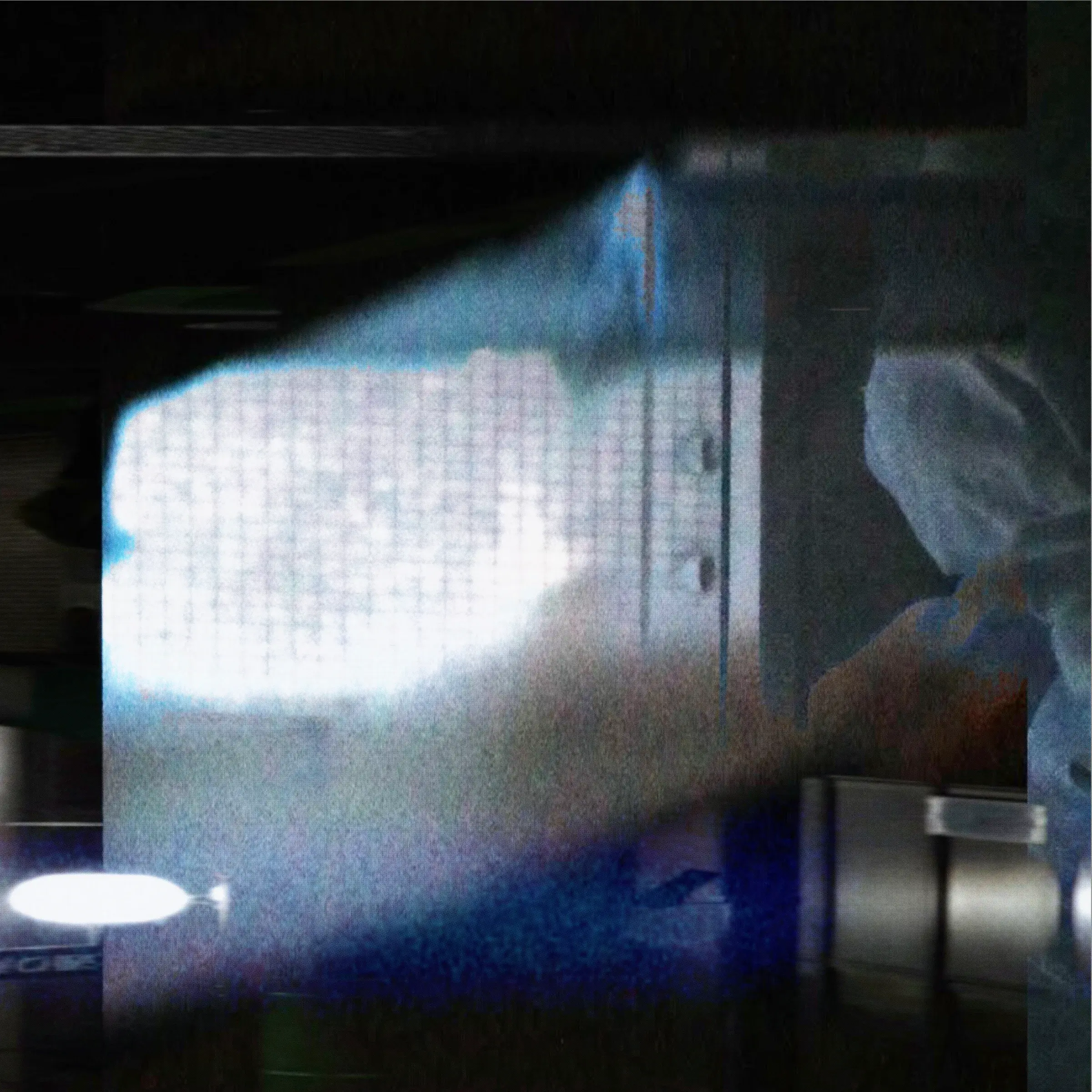
A ghost pressing on your bed.
In early 2024, while traveling through Taiwan and Japan for the first time, I experienced unsettling bouts of sleep paralysis. One episode, in particular, took place in a stranger’s apartment in Taipei’s Xinyi district.
Lying flat on my back in a lofted bed, I woke in the middle of the night, unable to move or open my eyes—yet somehow, I could still see the dark room around me. I heard the door open and felt a glowing shadow enter, surveying the space. It sensed me, too. Slowly, it glided up the stairs until it was beside me—then on top of me—pressing against my chest, making it difficult to breathe. I tried to scream but couldn’t. And then, I lost consciousness again.
The literal translation of “sleep paralysis” in Chinese is something like “ghost pressing on the bed” (鬼壓床, gui ya chuang), and in Taiwanese, “ghost pressing on the body” (kui-teh sin). In Eastern folklore, it is often understood as a spirit visitation, a form of possession.
Around the same time, I was reading Tanizaki and learning about the “shadow self” in psychology.
“We Orientals tend to seek our satisfactions in whatever surroundings we happen to find ourselves, to content ourselves with things as they are; and so darkness causes us no discontent, we resign ourselves to it as inevitable. If light is scarce, then light is scarce; we will immerse ourselves in the darkness and there discover its own particular beauty.
But the progressive Westerner is determined always to better his lot. From candle to oil lamp, oil lamp to gaslight, gaslight to electric light—his quest for a brighter light never ceases, he spares no pains to eradicate even the minutest shadow.”
“Anyone with a taste for traditional architecture must agree that the Japanese toilet is perfection.”
— Juni’ichirō Tanizaki, In Praise of Shadows
I’m drawn to the tension between Eastern and Western aesthetic values, as well as their differing yet intertwined understandings of psychic and spiritual well-being.
Must the ghost be exorcised? Can the shadow be integrated?
Is the impulse to expel the Other and name the evil outside oneself merely a refusal—or an inability—to recognize it within?
And are Japanese toilets truly the pinnacle of architectural perfection?
“[The shadow] is the repression of whatever is not comfortable from consciousness… we must dive into the sea of the unconscious and bring to the surface all the gold and treasures, including the collective ones, because they are the driving force of creativity. The emphasis is on not repressing, but on connecting to the forces latent in the unconscious, to hold a dialogue with them.”
— Erich Neumann, Depth Psychology credits
Collaboration with Boseo Park: https://www.notion.so/Image-Board-for-In-Praise-Of-Shadows-10324ef2aec680d8b983f178799b8721
References & additional research: https://www.are.na/jeff-ong/in-praise-of-shadows-wc6jeu3mej4